
No products in the cart.

Metoclopramide 10mg
We’re a Full-Service Online Pharmacy That Packages Your Medication and Delivers to Your Door Every Month. Stress-Free Prescription Delivery and World-Class Pharmacy Care Available 24/7. … URAC Accredited Mail Service Pharmacy.
$5.00
Metoclopramide 10mg: Uses, Benefits, Dosage and Precautions
For the following purposes:
Metoclopramide 10mg is a prescription drug. It belongs to a class of drugs known as prokinetic agents. It can help the stomach empty more efficiently and helps increase movement through the upper digestive tract. Metoclopramide is sometimes prescribed by doctors for some digestive conditions, including symptomatic gastro-oesophageal reflux disease (GERD) and diabetic gastroparesis.
This medicine is to be used only under appropriate medical supervision due to the risk of serious neurological side effects. In particular, the FDA labelling carries a boxed warning for tardive dyskinesia, a movement disorder characterised by involuntary movements that can be permanent at times.
Uses of Metoclopramide 10mg
Management of Diabetic Gastroparesis
Metoclopramide is also used for the management of symptoms of acute and recurrent diabetic gastroparesis. It slows gastric emptying and may cause nausea, vomiting, heartburn, loss of appetite and prolonged fullness after meals. Metoclopramide can help your stomach work better and help food move through your digestive system more easily.
Gastro-oesophageal Reflux Disease (GERD)
Metoclopramide may also be prescribed by doctors for adults with symptomatic, documented GERD when conventional treatment has not provided adequate relief. It can influence gastrointestinal movement and improve some symptoms related to reflux. However, doctors usually prescribe it for a limited period of treatment.
How Metoclopramide 10mg Works?
Metoclopramide affects movement through the digestive system. It helps to empty the stomach more efficiently and increases motility of the gastrointestinal tract. Therefore, it may help to decrease symptoms related to delayed stomach emptying.
But metoclopramide is not a one-size-fits-all medication for all types of nausea or stomach discomfort. It is up to a healthcare professional to decide if this is suitable for the underlying condition.
Metoclopramide Dose 10mg
The dose depends on the condition being treated, the patient’s health, kidney function, age, and other medicines being taken.
For some adults with diabetic gastroparesis, the FDA label recommends 10mg 30 minutes before each meal and at bedtime, up to a maximum of 40mg per day on the specified regimen. Treatment duration is also restricted.
Timing of doses for GERD may also vary. Patients should therefore not change the dose themselves, but should stick to the exact prescription from their doctor.
Important Precautions for Dosage
Do not take more Metoclopramide 10mg than your doctor has told you to. Similarly, do not prolong treatment without consulting a physician. The FDA labelling advises against treatment beyond 12 weeks because the risk for tardive dyskinesia rises with greater exposure time and cumulative dosage.
If you have kidney or liver disease, your dosage may need to be adjusted. Older adults may also require special considerations.
Side Effects of Metoclopramide 10mg
As with all medicines, metoclopramide can cause side effects. Drowsiness, restlessness, fatigue and weakness are frequent side effects.
But some reactions need medical attention immediately.
Severe Side Effects
Call your healthcare provider right away if you develop strange or uncontrollable movements. Warning signs may include involuntary movements of the tongue, face, arms or legs. These symptoms can be symptoms of Tardive Dyskinesia.
Other serious side effects could be severe muscle stiffness, confusion, fever, severe agitation, trouble breathing, allergic reactions, or severe mood changes.
Who Should Not Take Metoclopramide 10 mg?
Metoclopramide is not suitable for all people. Contraindications listed on the FDA labelling include a history of tardive dyskinesia or certain dystonic reactions, epilepsy, pheochromocytoma, hypersensitivity to metoclopramide, and conditions in which stimulation of gastrointestinal motility could be dangerous.
Patients with Parkinson’s disease, depression, kidney impairment, liver impairment or other significant medical conditions should discuss their medical history with their healthcare provider before taking this medicine.
Drug Interactions
Metoclopramide can interact with other medications. For example, antipsychotic drugs may increase the risk of adverse effects associated with movement. ” Central nervous system depressants may also increase sedation or central nervous system depression. Some CYP2D6 inhibitors may need dose adjustments.
So be sure to tell your doctor or chemist about all prescription drugs, over-the-counter products and supplements you take.
Metoclopramide 10mg – How to Use It Safely
Take Metoclopramide 10 mg as directed. Also, do not drive or operate machinery if the medicine makes you drowsy or less alert. Do not increase the dose if your symptoms have not improved.
Most importantly, report any unusual involuntary movements promptly. Early recognition of serious neurological effects may enable your healthcare professional to decide to stop treatment.
Conclusion:
Metoclopramide 10mg is useful in the treatment of some digestive problems, especially for symptoms of diabetic gastroparesis and some cases of GERD. It works by stimulating movement of the gastrointestinal tract and helping the stomach empty more efficiently. But it does have serious safety risks, especially with long-term use.
For this reason, do not take Metoclopramide 10mg unless your healthcare professional tells you to. Do not prolong treatment or modify the dosage without consulting a doctor.
Reviews
There are no reviews yet.

Florinef Acetate (Fludrocortisone) 0.1mg
Original price was: $5.00.$4.00Current price is: $4.00.
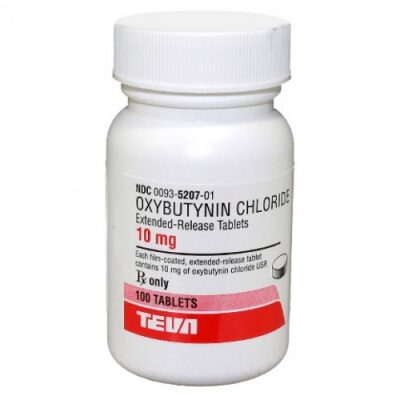
Ditropan XL 10mg
Original price was: $3.50.$2.89Current price is: $2.89.

Cytotec 200mcg
$5.00
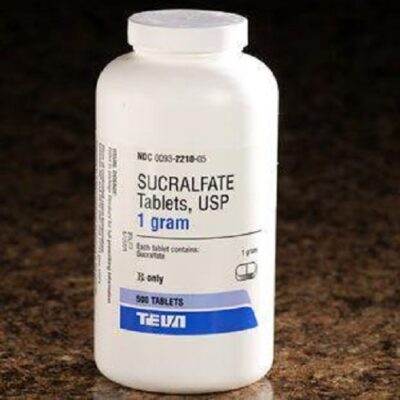
Carafate 1gram
$5.00

Bentyl 10mg
$4.00

Aciphex 5mg
$4.00


-
(0 customer reviews)