
No products in the cart.
-46%
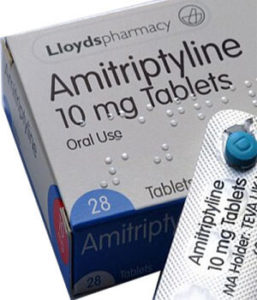
Amitriptyline 10mg
We’re a Full-Service Online Pharmacy That Packages Your Medication and Delivers to Your Door Every Month. Stress-Free Prescription Delivery and World-Class Pharmacy Care Available 24/7. … URAC Accredited Mail Service Pharmacy.
Original price was: $2.24.$1.20Current price is: $1.20.
Amitriptyline 10mg: Uses, Benefits, Side Effects and Dosage
AMITRIPTYLINE 10MG is a prescription only medicine. It is one of a group of medicines called tricyclic antidepressants. Doctors can prescribe it for a range of conditions, including certain types of depression and nerve pain. Doctors often prescribe amitriptyline in low doses to relieve pain and help prevent some recurring headaches.
This medication may cause drowsiness and other side effects. Patients should only take this medication as directed by a healthcare professional.
What is Amitriptyline 10 mg?
Amitriptyline is thought to work mainly by affecting certain chemicals in the brain. In particular it affects the way serotonin and noradrenaline work and this can influence mood and how the body processes pain.
Amitriptyline is an antidepressant, but doctors don’t only prescribe it for depression. In lower doses it can also help control some types of long-lasting nerve pain.
The 10mg strength is a relatively low dose but the right dose depends on the condition of the patient, the age of the patient, other medicines and the overall health.
Uses of Amitriptyline 10mg
Doctors prescribe amitriptyline 10mg for various medical conditions.
Nerve Pain
Amitriptyline can be used to reduce certain types of nerve pain or neuropathic pain. For instance, healthcare professionals may consider it for patients who have burning, tingling, shooting or constant nerve pain.
Preventing Migraines
Doctors sometimes prescribe amitriptyline to help reduce how often people get recurring migraines or tension-type headaches. It is usually used as a preventative treatment rather than an immediate treatment for an active migraine.
Melancholy.
Amitriptyline was developed as an anti-depressant. However, doctors may today prefer to use other antidepressants, as amitriptyline can cause a lot of drowsiness and other side effects.
How Amitriptyline Works?
Amitriptyline affects the levels and activity of certain neurotransmitters in the nervous system. These changes can impact mood and pain signalling.
Its impact on pain conditions is not like that of ordinary painkillers. Therefore, it may be some time before patients experience the full benefit.
Continue taking the medicine as prescribed and don’t increase the dose because you don’t see an immediate improvement.
Amitriptyline 10 mg dosage
The right Amitriptyline 10mg dosage depends on the condition being treated. Doctors usually start with a low dose and adjust it according to the patient’s reaction.
For some pain conditions, a low dose may be taken once daily, usually in the evening as the medicine can cause sleepiness. The prescribing healthcare professional should provide the exact schedule, however.
Do not take extra tablets to make up the missed dose. Do not take a double dose unless your doctor or chemist tells you to.
Amitriptyline 10mg Side Effects
Amitriptyline 10mg can have side effects, as with all prescription drugs.
Typical effects might be:
- Sleepiness or drowsiness
- •Dry mouth (xerostomia)
- Constipation 8
- Dizzy
- Blurred vision
- Headache
- Additional sweating
- Exhausted
These effects may get better as your body gets used to treatment. But patients should seek their healthcare professional if side effects are serious or persistent.
Side Effects – Serious
If you have any serious reactions, seek medical attention immediately. They can include severe allergic reactions, fainting, abnormal heart rhythm, seizures, severe confusion or major changes in mood or behaviour.
If you are having thoughts of self-harm or suicide, get urgent help.
Precautions – Before Using Amitriptyline
Before you take this medicine, tell your doctor if you have any health problems or take any medicines, vitamins or other supplements.
Amitriptyline can affect other medicines, including some antidepressants and medicines that make you sleepy. Alcohol can also amplify its sedative effects.
Patients should also be careful to drive or operate machinery until they know how the medicine affects them.
Older adults may be more sensitive to certain side effects like dizziness and confusion. So doctors may be extra cautious about giving this drug to older patients.
Concluding Thoughts
Amitriptyline 10mg is a prescription medicine that doctors can use for a number of reasons. It can be used for depression, for nerve pain and for the prevention of some types of re-occurring headaches. But whether it is appropriate depends on the person’s medical condition and other factors.
Take amitriptyline only as directed by a health care professional, since it can interact with other drugs and cause drowsiness and other side effects. Take the prescribed dose as directed, and speak with your doctor or chemist if you have questions about treatment, side effects or stopping the medication.
Reviews
There are no reviews yet.

Zoloft 50mg
Original price was: $1.58.$1.32Current price is: $1.32.

Remeron 30mg
Original price was: $2.19.$1.98Current price is: $1.98.

Pristiq 50mg
Original price was: $3.20.$1.45Current price is: $1.45.

Paxil 20mg
Original price was: $1.90.$1.65Current price is: $1.65.

Elavil 25mg
Original price was: $1.60.$1.24Current price is: $1.24.

Clozaril 25mg
Original price was: $1.57.$1.20Current price is: $1.20.


-
(0 customer reviews)